Drying of the Panama Canal in a Warming Climate
This article is a summary of reporting by Geophysical Research Letters. Originally published September 17, 2025.
Published in Geophysical Research Letters, the research models 21st-century water availability in Gatún Lake, the primary freshwater source operating the Panama Canal's locks. The study finds that minimum annual lake levels will decline markedly under higher greenhouse gas emission pathways, heightening the risk of recurrent transit restrictions. The findings underline the urgency of long-term water management infrastructure to sustain the interoceanic route.
AI Summary
A peer-reviewed scientific study evaluates the impact of climate change on Gatún Lake water levels and future transit risks.
More in Tech & Science

In Panama’s Darién, Indigenous communities test a new way to fund conservation
Indigenous Wounaan and Emberá-Wounaan villages in eastern Panama are cataloging local biodiversity to enter the voluntary biodiversity credits market.
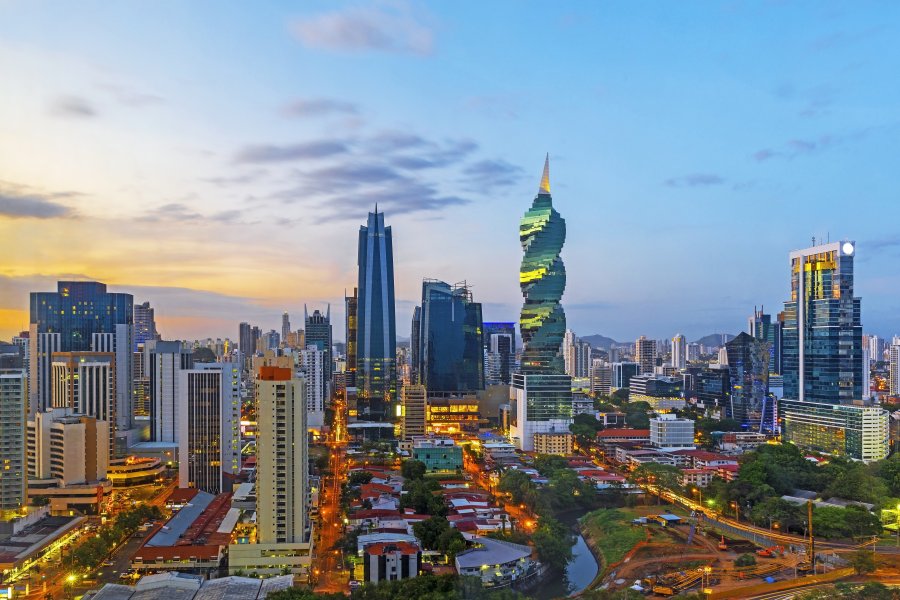
Panama's Rise as Latin America's Fintech Crossroads
Panama is increasingly becoming a core hub for digital payments, cross-border remittances, and neobanks across Latin America.
Panama’s Fintech Boom: Why the Country Is Becoming Latin America’s Digital Payments Crossroads
Panama is emerging as a critical digital payments hub, powered by fast payment systems and modern crypto-based remittance corridors.

The Fintech Landscape of Central America: Panama in 2026
Panama leverages its international banking and logistics strengths to cultivate cross-border fintech, merchant solutions, and digital finance.
A 2026 Reforestation Program to Restore Degraded Land has been Launched in Panama
Panama's Ministry of Environment has inaugurated a nationwide restoration campaign to recover degraded acreage using native plant species.

Building Panama’s innovation economy through AI and science
The Atlantic Council and SENACYT examine Panama's national innovation agenda centered on artificial intelligence and science-driven growth.