
Natural Geisha Breaks Best of Panama Auction Record at $803 Per Pound
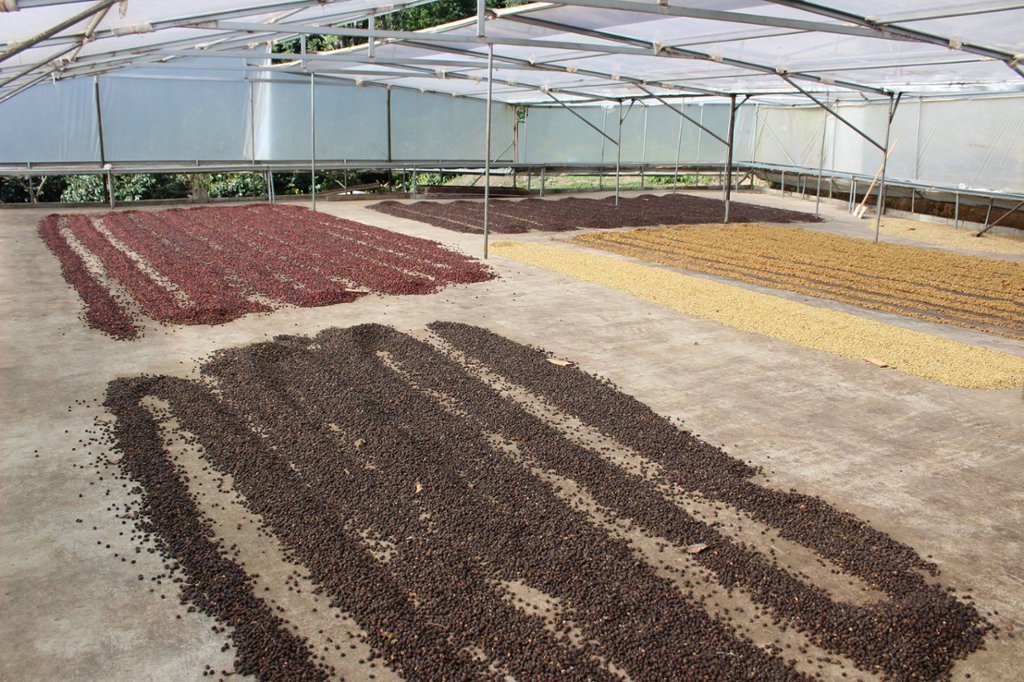
This article is a summary of reporting by Daily Coffee News. Originally published February 11, 2019.
Lamastus Family Estates established a new auction benchmark at the 2018 Best of Panama green coffee auction when their natural-process Geisha sold for $803 per pound. Organized by the Specialty Coffee Association of Panama, the sale illustrated the surging global demand for top-tier Panamanian beans from buyers in Asia, Europe, Australia, and North America. The record demonstrated massive price growth in specialty markets compared to 2004 and 2005, when early Geisha lots first captured industry attention at roughly $20 to $50 per pound.
AI Summary
A natural-process Geisha from Boquete set an auction benchmark of $803 per pound at the 2018 Best of Panama event.
More in Business

Euro exchange rate in Panama for Saturday, November 7, 2026
This report provides the current valuation and market fluctuations for the euro in Panama. It also examines the general trend of the European currency
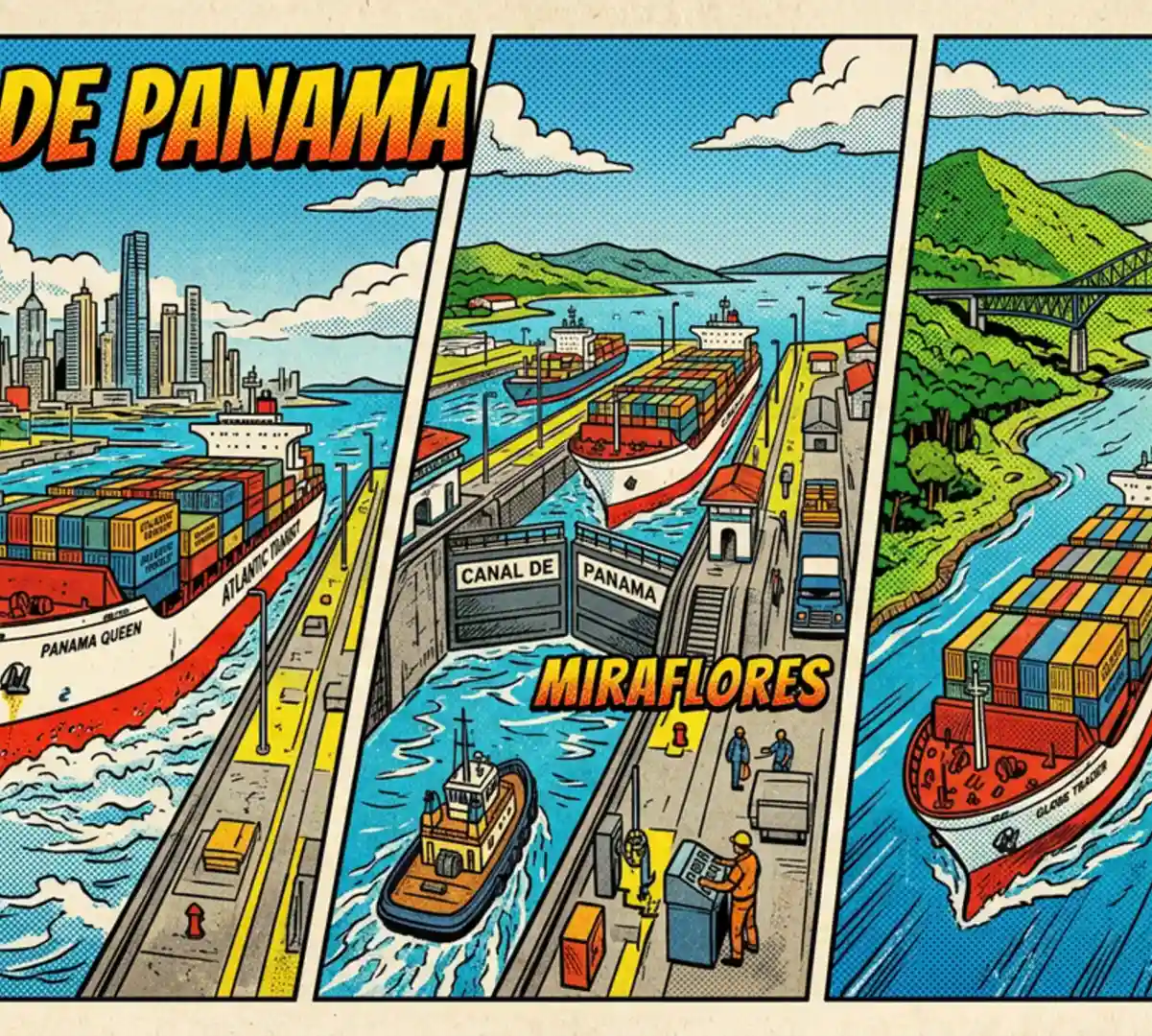
ACP changes Panama Canal booking rules on 2 November
The Panama Canal Authority introduced updated booking procedures for Neopanamax transit slots starting November 2, 2026. These changes modify the allo
Panama Canal: The biggest megaproject in history
This feature examines the development and historical timeline of the Panama Canal as one of the most significant megaprojects ever undertaken. It also
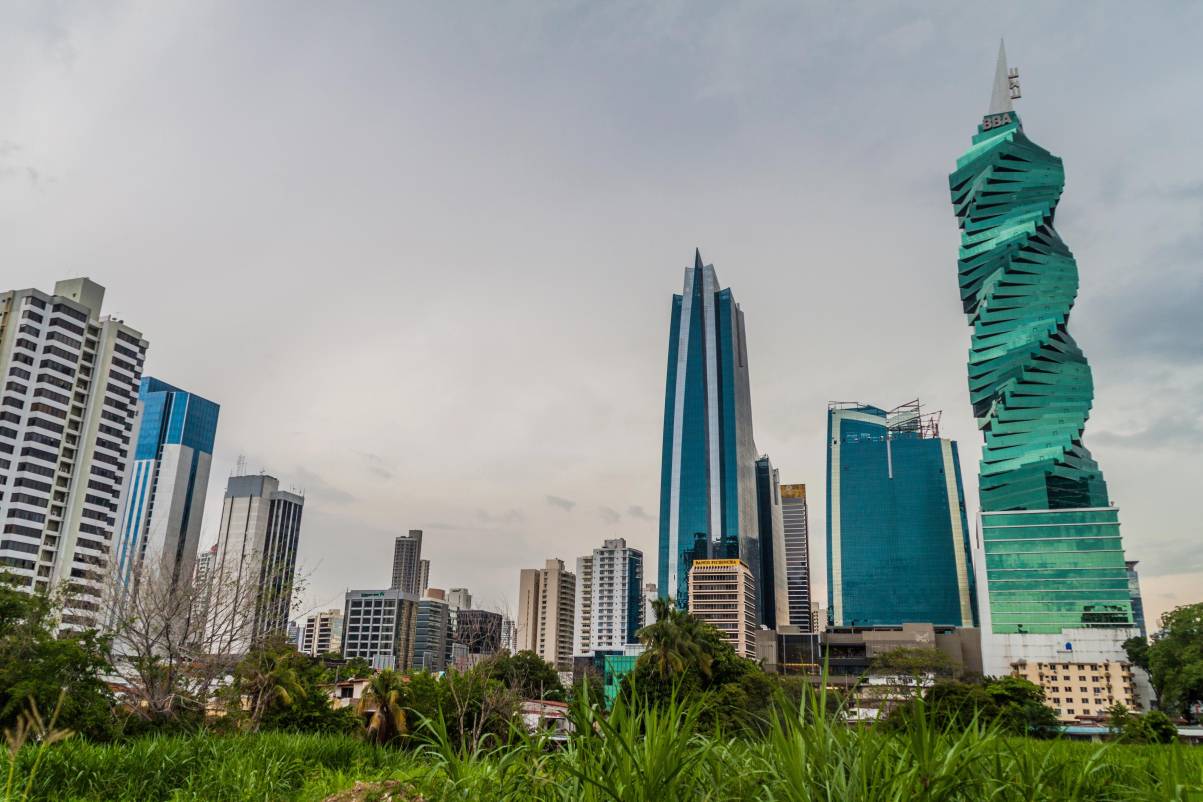
Moody’s Local reports Panama has the lowest credit growth in Central America
According to a report from Moody’s Local, Panama currently records the slowest credit expansion among Central American banking systems. However, the c

First female administrator in the Panama Canal's history takes the helm
Naval engineer Ilya Espino de Marotta has assumed leadership of the Panama Canal, becoming the first woman to lead the interoceanic waterway's adminis
Panama canal daily transit could drop further to 27, administrator tells FT
The Panama Canal administration warned that daily ship transits could decrease to 27 vessels if water scarcity continues.